Animal Welfare Act 2006 and Code of Practice for the Welfare of Dogs 2010
The United Kingdom”s Animal Welfare Act was passed in 2006 which makes it an offence to mistreat or neglect an animal for which someone is responsible. A person may be prosecuted by the RSPCA, Local Authority or Police for failure to uphold the welfare principles of the Act.
In 2010 the Department for Environment, Food and Rural Affairs produced a Code of Practice for the Welfare of Dogs as a guide to dog owners, local authorities and RSPCA of a dog’s needs under the Animal Welfare Act.
A dog’s basic needs must be met:
its need for a suitable environment
its need for a suitable diet
its need to be able to exhibit normal behaviour
any need it has to be housed with, or kept apart from, other animals
its need to be protected from pain, suffering, injury and disease
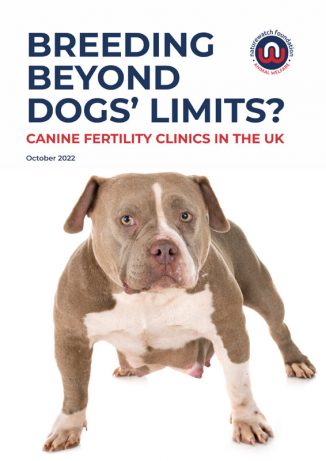
Canine Fertility Clinics are the latest UK dog breeding phenomenon.
The number of businesses selling breeding procedures and related services for people who breed dogs has increased rapidly in recent years. Some of these are entirely unregulated and unaccountable. The Report examines the canine fertility sector in the UK and outlines findings from Naturewatch Foundation’s survey for veterinary professionals. It also suggests a way forward so that we can begin to tackle the challenges posed in this new sector. Its recommendations include: a public statement from the RCVS; a Defra Task Force; strengthened breeding recommendations; reform of the Veterinary Surgeons Act 1966; collaboration between dog welfare organisations on initiatives to improve the welfare of dogs used for breeding and their offspring.
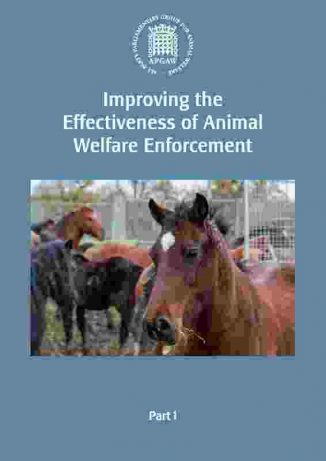
The Report highlights the lack of consistency of enforcement of Animal Welfare Law and summarises the key issues. It recommends that local authorities should have access to Dedicated Animal Welfare Officers to enforce Animal Welfare law, including the Animal Welfare (Licensing of Activities Involving Animals) England Regulations 2018. Training would be a requirement for the Animal Welfare Officers. Also the setting up of regional Animal Welfare Forums which include local authority Animal Welfare Officers, the RSPCA and Police. The establishment of a National Animal Welfare Board consisting of representatives from each regional Animal Welfare Forum, RSPCA, Police, DEFRA and relevant NGOs.
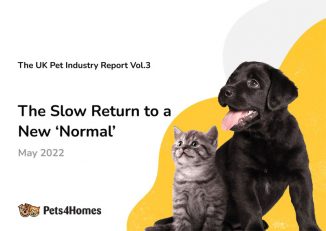
The Report looks at the affects of the Covid lockdown on pet purchasing (dogs in particular) and the return to a more normal pattern. Market trends during the pandemic showed that pet ownership increased steeply, and supply struggled to meet demand, pushing prices up dramatically. Post lockdown there is a return to pre-pandemic demand for pets and some decreases in prices. The Golden Retriever was the most sought after breed. The research showed that buyer vigilance needs to improve. The rise in breeding by ‘hobby breeders’ is concerning as these breeders are unregulated.